
What to Eat When You Have a Small Appetite |
As we get older, appetite can change. |
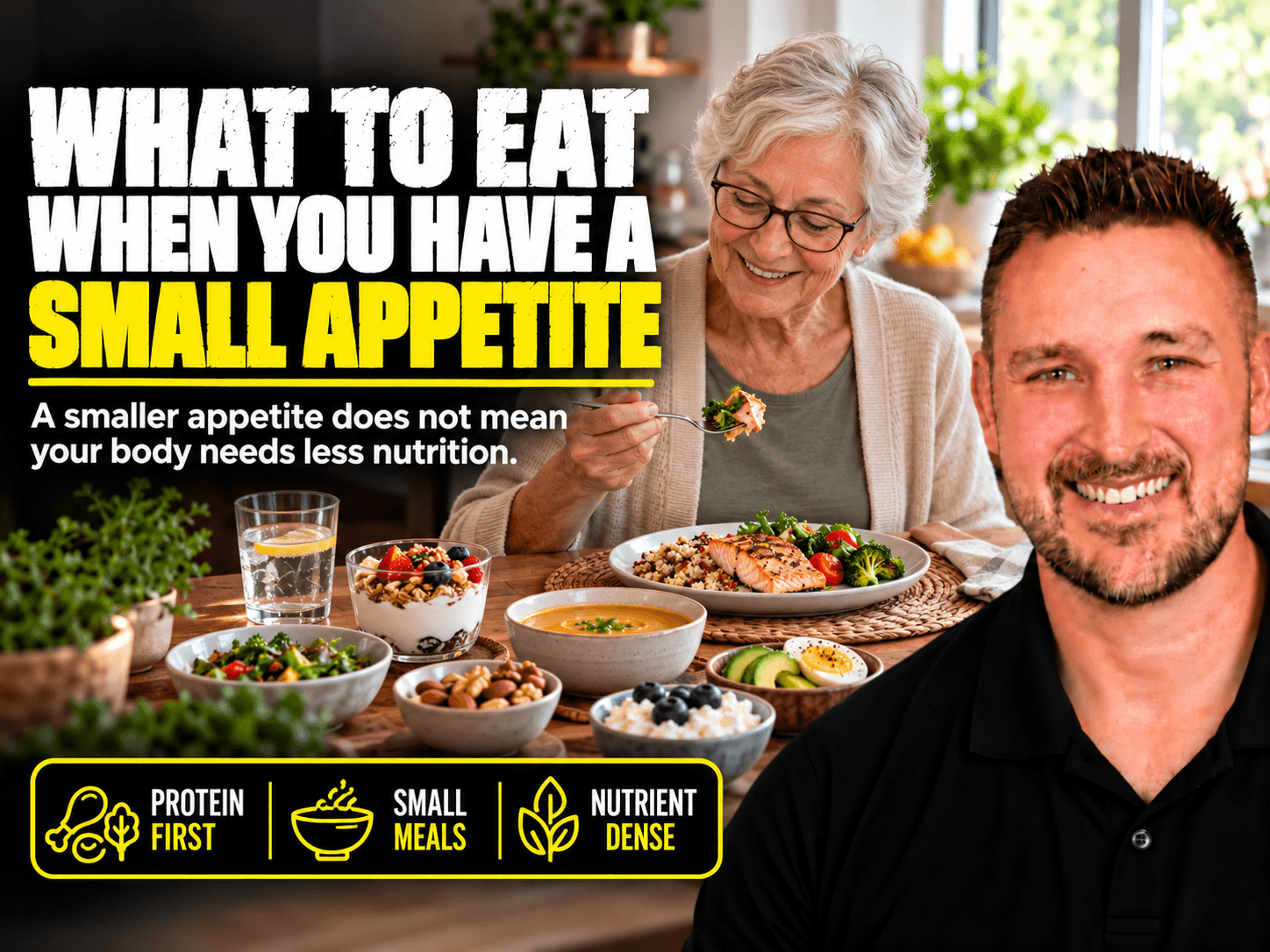
Maybe you do not feel as hungry as you used to. Maybe large meals feel overwhelming, or you get full quickly. Medications, changes in taste and smell, illness, stress, dental issues, and changes in routine can all affect how much you want to eat. The problem is that eating less does not always mean your body needs less nutrition.
For older adults, a small appetite can make it harder to get enough protein, calories, vitamins, and minerals to maintain strength, energy, and independence.
Focus on Nutrition, Not Volume
If you cannot eat a large meal, do not force yourself to. Instead, make the food you do eat count. Choose foods that give you more nutrition in a smaller amount, such as:
A smaller meal can still be a good meal.
Eat Smaller Meals More Often
Instead of three large meals, try eating four or five smaller meals or snacks throughout the day. For example: Breakfast: eggs and toast This can make eating feel much more manageable.
Prioritize Protein
Protein becomes increasingly important as we age because it helps support muscle and strength. The PROT-AGE Study Group recommends that many healthy older adults consume around 1.0 to 1.2 grams of protein per kilogram of body weight per day. (pubmed.ncbi.nlm.nih.gov)
If your appetite is small, that makes protein even more important. Try to include it early in the meal so you do not fill up before eating the foods your body needs most.
Make Foods Easier to Eat
Sometimes the problem is not hunger. It is chewing, swallowing, fatigue, or simply not wanting to prepare a full meal. Softer options can help:
If chewing or swallowing has become difficult, speak with a healthcare professional.
Add Calories Without Adding Huge Portions
If maintaining weight is a concern, you can increase the energy in meals without making them much larger. Try adding:
These foods can make smaller meals more satisfying and nutrient-dense.
Drink Smart
Fluids are important, but drinking a lot right before eating may make some people feel full. If that happens to you, try drinking more between meals instead of filling up on water immediately beforehand. Milk, smoothies, or nutrition drinks may also be useful for some older adults when appetite is poor, but they should not automatically replace regular meals.
Pay Attention to Unplanned Weight Loss
A reduced appetite should not always be ignored. Unintentional weight loss in older adults can be associated with malnutrition, muscle loss, illness, medication side effects, and poorer health outcomes.
If you are losing weight without trying, becoming weaker, feeling unusually tired, or consistently struggling to eat enough, talk with your doctor or a registered dietitian.
The Bottom Line
If you have a small appetite, you do not need to eat huge meals. Focus on smaller meals that are rich in protein and nutrients. Eat more often, make foods easier to manage, and prioritize the foods that help support strength and energy.
The goal is not to eat more for the sake of eating more. It is to give your body enough fuel to stay strong, active, and independent.
Need help building a nutrition plan that works even when your appetite is low? Call Coach Seth at 330-221-1547 to get started. |
47 Comments
Join the conversation
Coach Seth makes the protein advice easy to understand.
A yogurt between breakfast and lunch helps me.
Avocado is good, but the price keeps climbing.
I keep nuts handy when cooking feels like too much.
Judy F.Same here. I keep a small container by the kettle so I remember to grab some.
Those protein numbers are worth asking a dietitian about.
My mom likes soup, but it needs some protein.
Oatmeal with whole milk keeps me going longer.
Chewing problems can really take the joy out of meals.
I would add canned beans to the easy meal list.
Avocado is great, but it gets expensive around here.
Half a sandwich at lunch sounds about right.
I like that nobody has to force a huge meal.
My appetite dropped after I started a new medication.
Soft fish is a good suggestion for someone with dentures.
Adding olive oil is easier than eating another serving.
Does anyone have a good low-sugar smoothie idea?
Cottage cheese is one food I can always manage.
Smoothies help me, though I still need an actual dinner.
Soft fish is easier for my husband to eat.
I fill up on water before dinner sometimes.
Peanut butter on crackers works for my afternoon snack.
My taste changed after a new medication. Food got less appealing.
That half sandwich lunch sounds more doable than a full plate.
I like the reminder that smaller meals still count.
The warning about unexplained weight loss matters.
Scrambled eggs are a good standby at our house.
Peanut butter on toast works when cooking feels like too much.
Four or five meals sounds like a lot of planning.
Medication changed how food tastes for my mother.
My dad does better with snacks than big meals.
Greek yogurt is easy when I have no appetite.
Does the protein recommendation change if someone has kidney issues?
Scrambled eggs are about all my mother wants some mornings.
The weight loss warning is important. It can sneak up.
A little olive oil in soup is an easy addition.
My husband fills up on water before dinner every night.
Glad chewing problems got mentioned. They change everything.
Cottage cheese and crackers is pretty much my afternoon routine.
Five meals sounds like a lot of planning, honestly.
Greek yogurt has been an easy snack for my mom.
I never thought to eat the protein first.
My dad does better with eggs than a big breakfast.
I never thought to eat protein first.
Robert HayesMe neither. I usually save the eggs until last, then I'm too full to finish them.
The smaller meals idea makes a lot more sense to me.
The smaller meals idea makes sense to me.